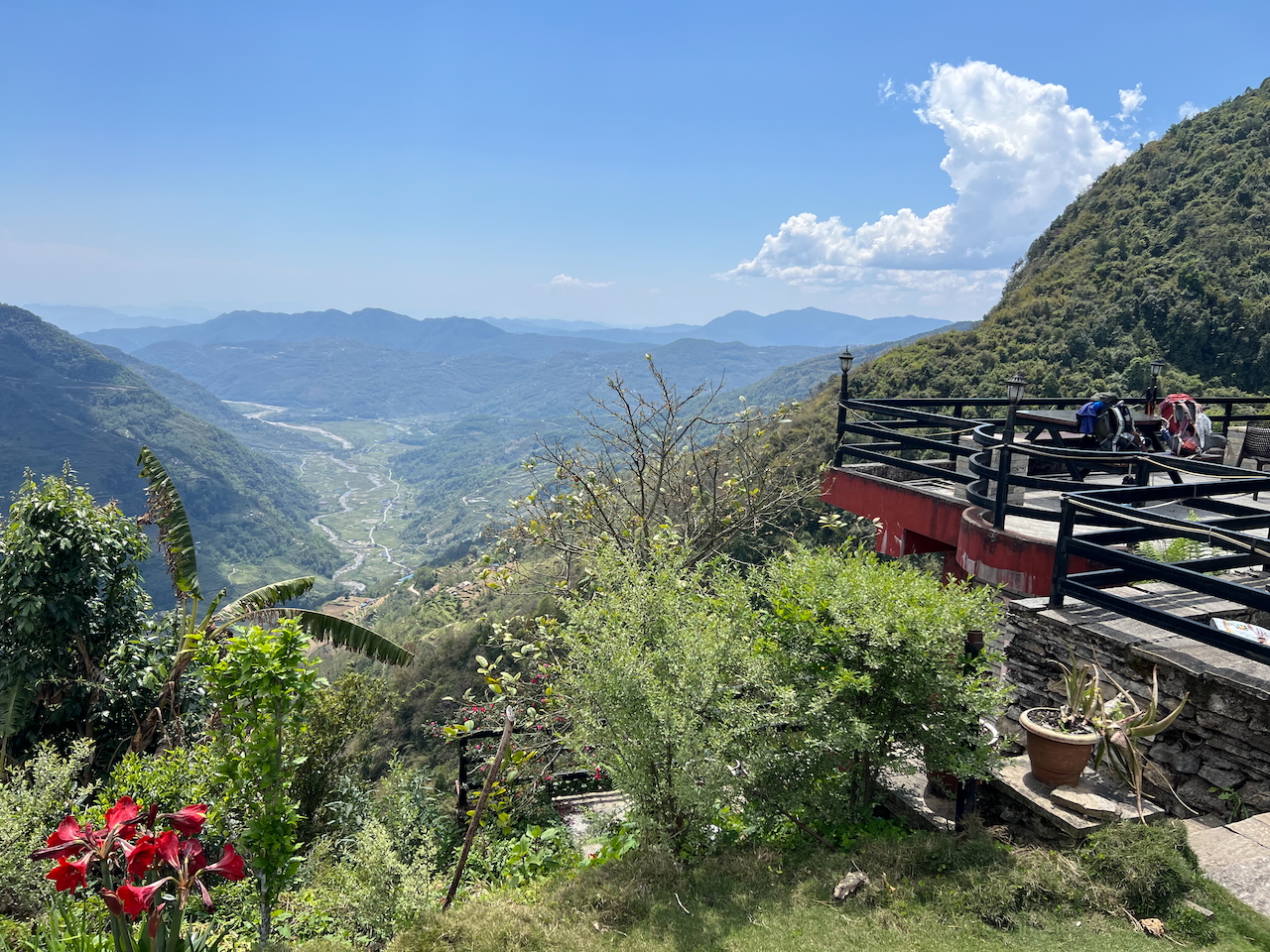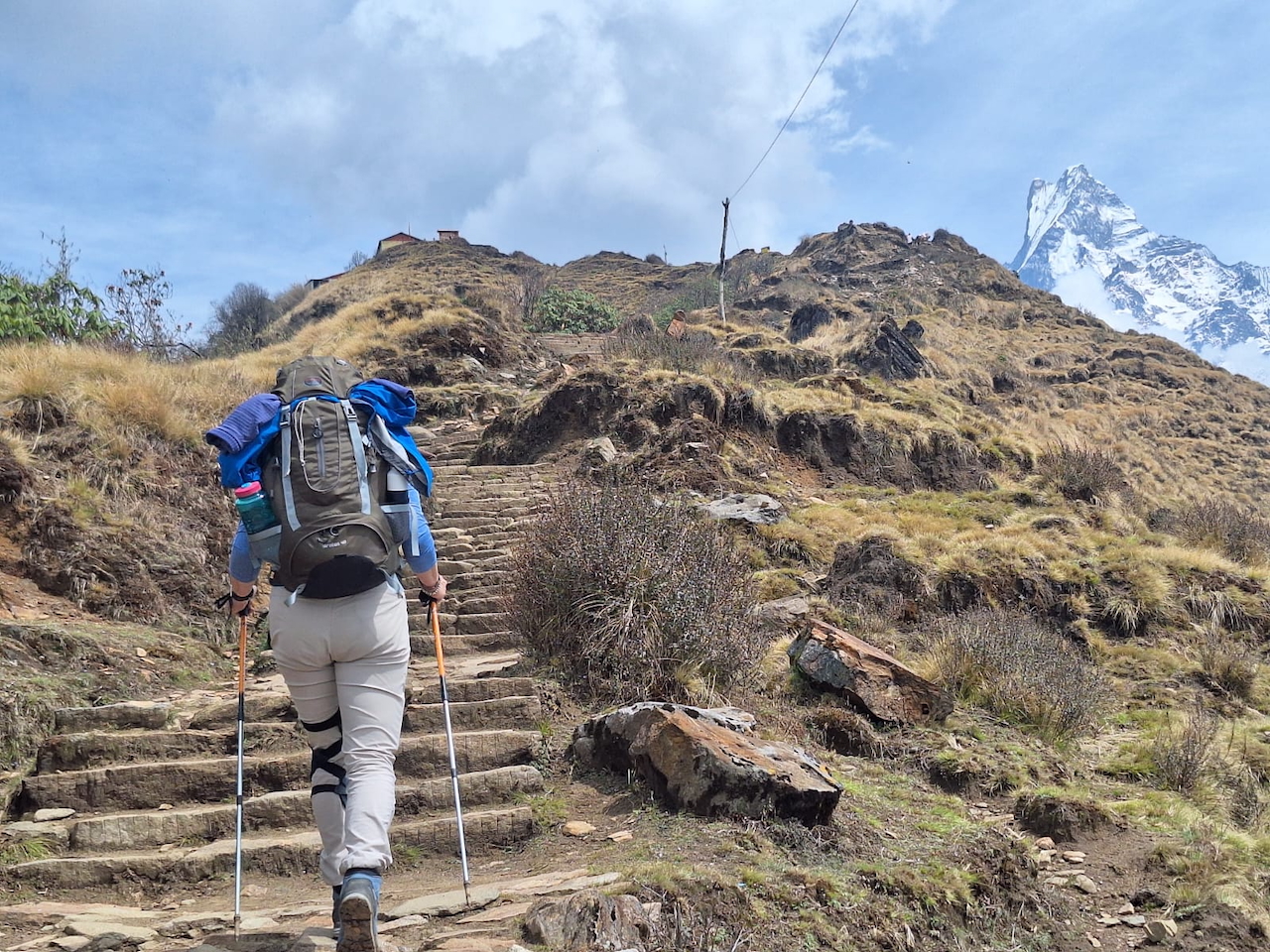
Mardi Himal trek
Just before my Mardi Himal trek, I had a beautiful and emotional farewell gathering at the school. I shared it on LinkedIn, but I’ll also write a short blog about it later. For now, it’s time to share my trekking experiences.
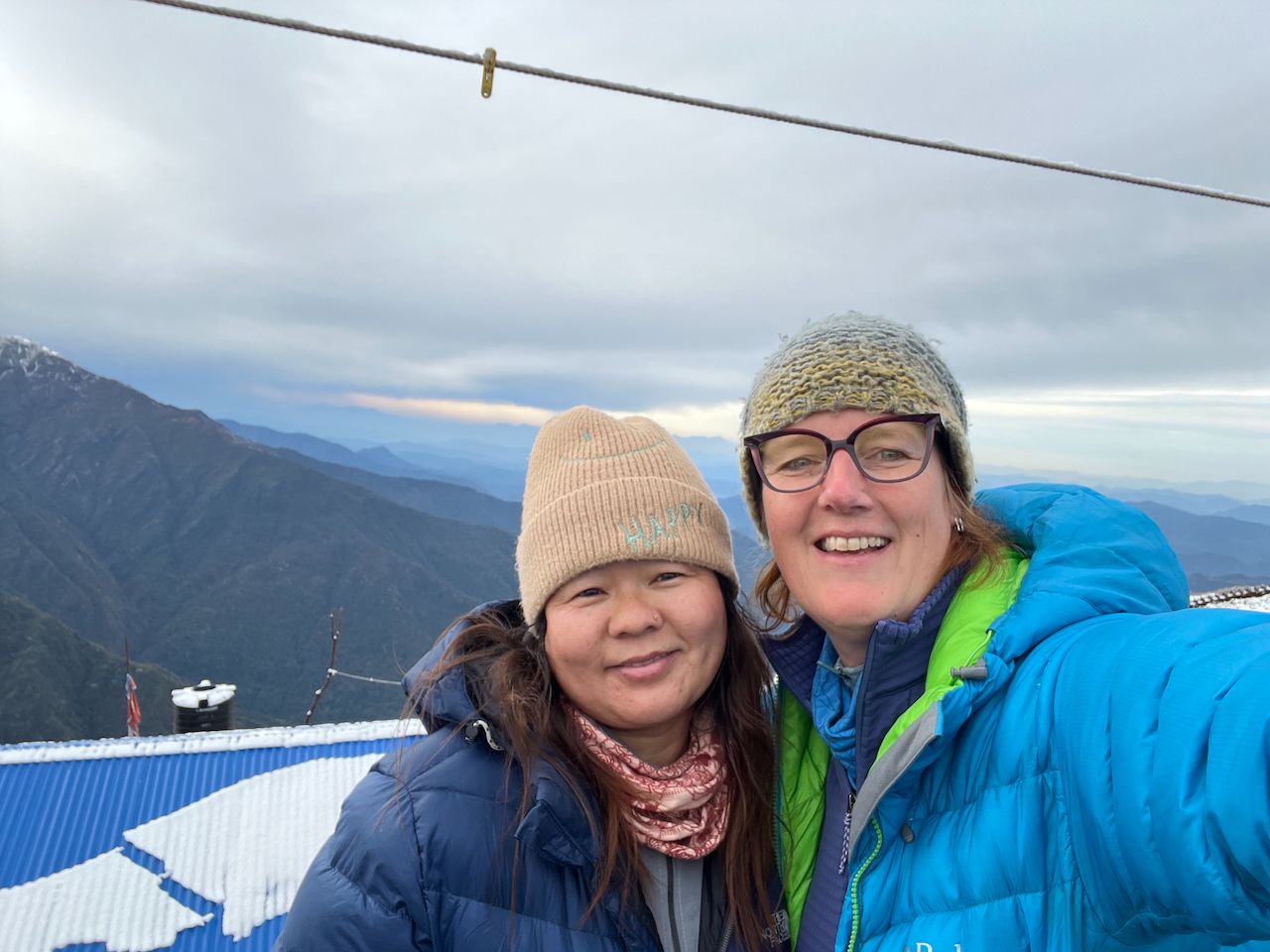
I booked this trek with Three Sisters Trekking Adventures again, an organization founded in 1994 by three sisters. That in itself is quite special: they are the owners, and they employ only female guides, both full-time and on a freelance basis. My guide, Danu Gurung, is 37 years old and has been working as a guide for 15 years. Her surname immediately reveals her ethnic background; the Gurung. The Gurung people originate from the area north of Pokhara and are predominantly Buddhist. There is also another branch in eastern Nepal, like the Gurung family we have supported since 1999, which is mainly Hindu.
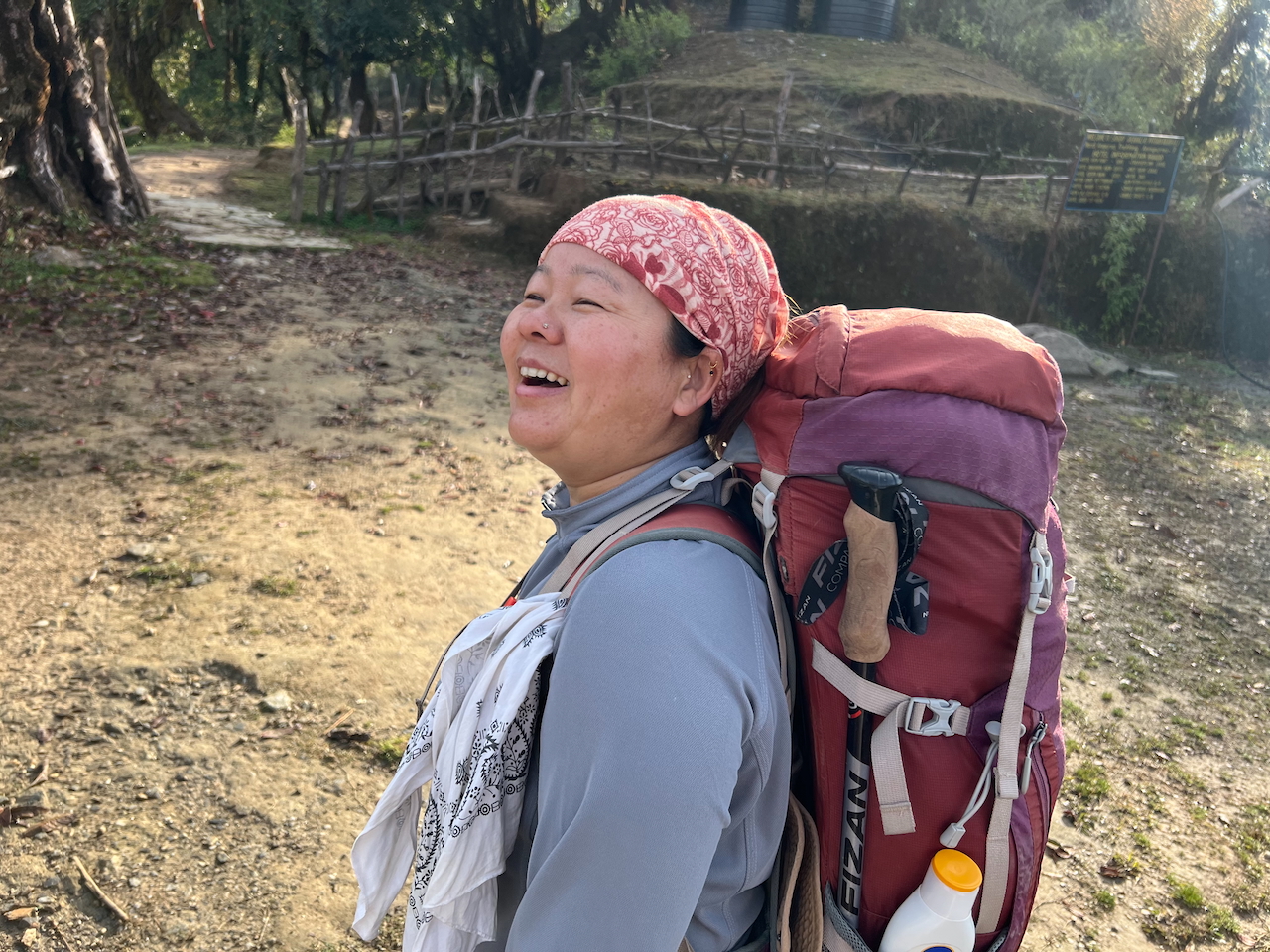
As I mentioned in an earlier blog, this is a social enterprise empowering women. There are men employed as well, but only in the hotel and office. All guides are women, and they go trekking with women only, families, couples or mixed groupes, never with men alone.
I had postponed my planned trek due to work at the school. Despite open registration, I remained the only client for these dates. In hindsight, that wasn’t so bad, you can set your own pace and be more flexible. On April 2, we took a taxi to Kande, the starting point of the Mardi Himal trek. This trek is quieter than Annapurna Base Camp or Poon Hill, and the views of the giants from the viewpoint at 4,200 meters are said to be spectacular.
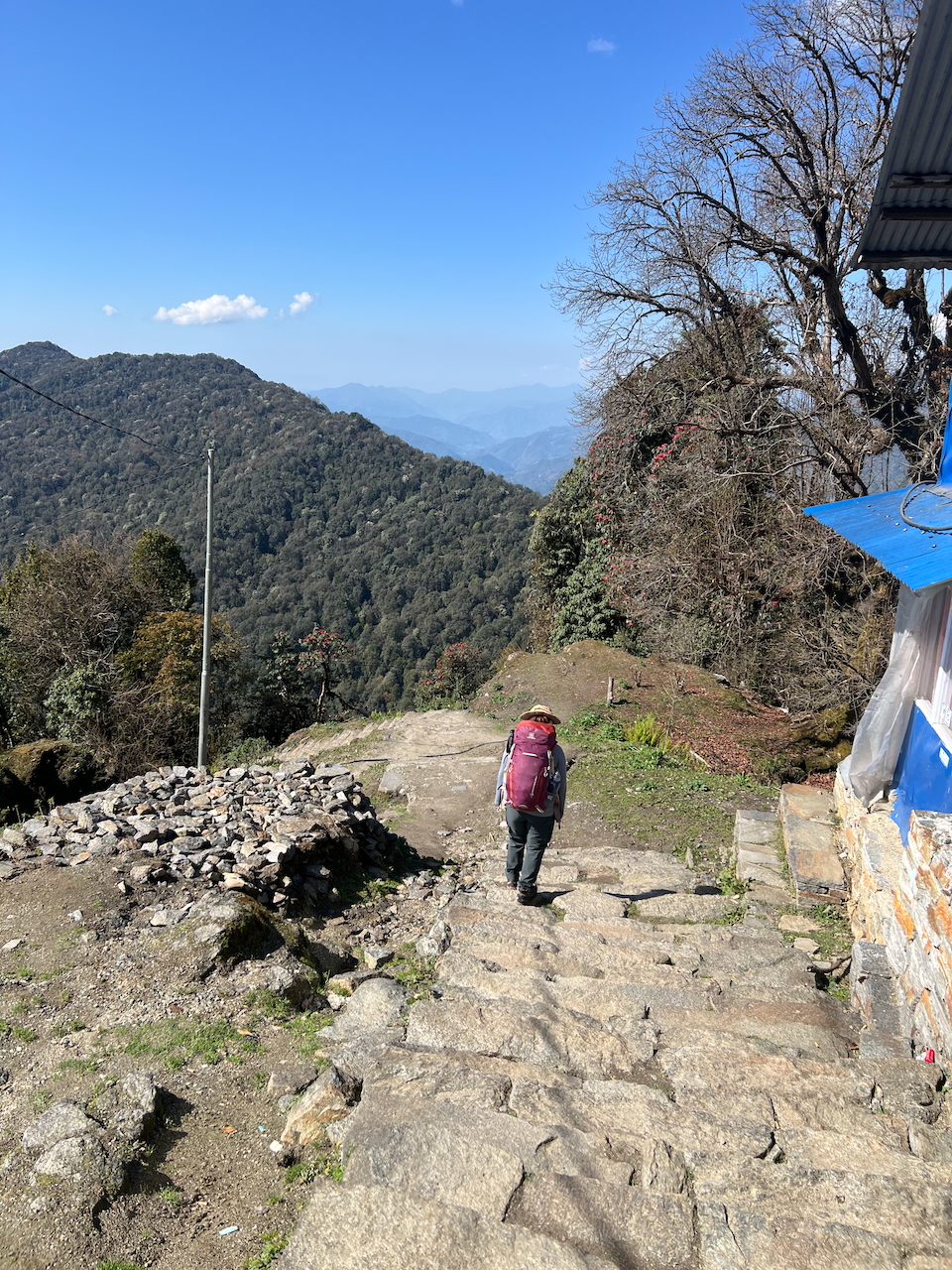
This truly is a jungle trek, taking you along forest trails, over tree roots, and up stone steps. You don’t pass through villages on this route, only guesthouses. Competition between lodges is fierce, as everyone wants a share of the income. There’s little else in the area, so tourists are the only source of revenue, and sometimes you’ll find five lodges clustered together. Guides tend to have their preferences and usually book with the same families for their clients.
At the moment, there are noticeably fewer tourists, likely due to the war in the Middle East. Europeans in particular are staying away, which is understandable. I had booked my ticket long before the conflict and will be flying back with Emirates via Dubai. The Europeans I’ve met here mostly arrived via India.
One of the joys of trekking is meeting people from all kinds of nationalities and generations along the way. Most are curious about each other, and the most common questions are: “Where are you from?” and “Is this your first time in Nepal?” What stands out is the number of young Nepali people trekking. Back in 2014, that was still quite unusual. When we took Sushila Gurung on a trek, daughter of the Gurung family) she was constantly asked where she was from. When she said Nepal, people would even ask if she had been adopted. Apparently, it wasn’t common for Nepali residents to go trekking as customers. But a lot has changed in the 30 years we’ve been coming to Nepal.
The higher you go, the more basic the facilities in the lodges become and the colder it gets in the evenings. In the past, the communal areas were heated with wood stoves. Nowadays, they use gas heaters, as logging is no longer permitted. Unfortunately, due to the war with Iran, there is a shortage of fuel, and the common rooms are no longer heated.
As a result, everyone sat around in down jackets, hats, and wrapped in blankets while eating or playing games. The electricity also frequently went out due to heavy rain and thunderstorms. So yes, it was a bit of a challenge at times. The sleeping areas are never heated anyway, but a bottle filled with hot water used as a makeshift hot-water bottle works wonders.
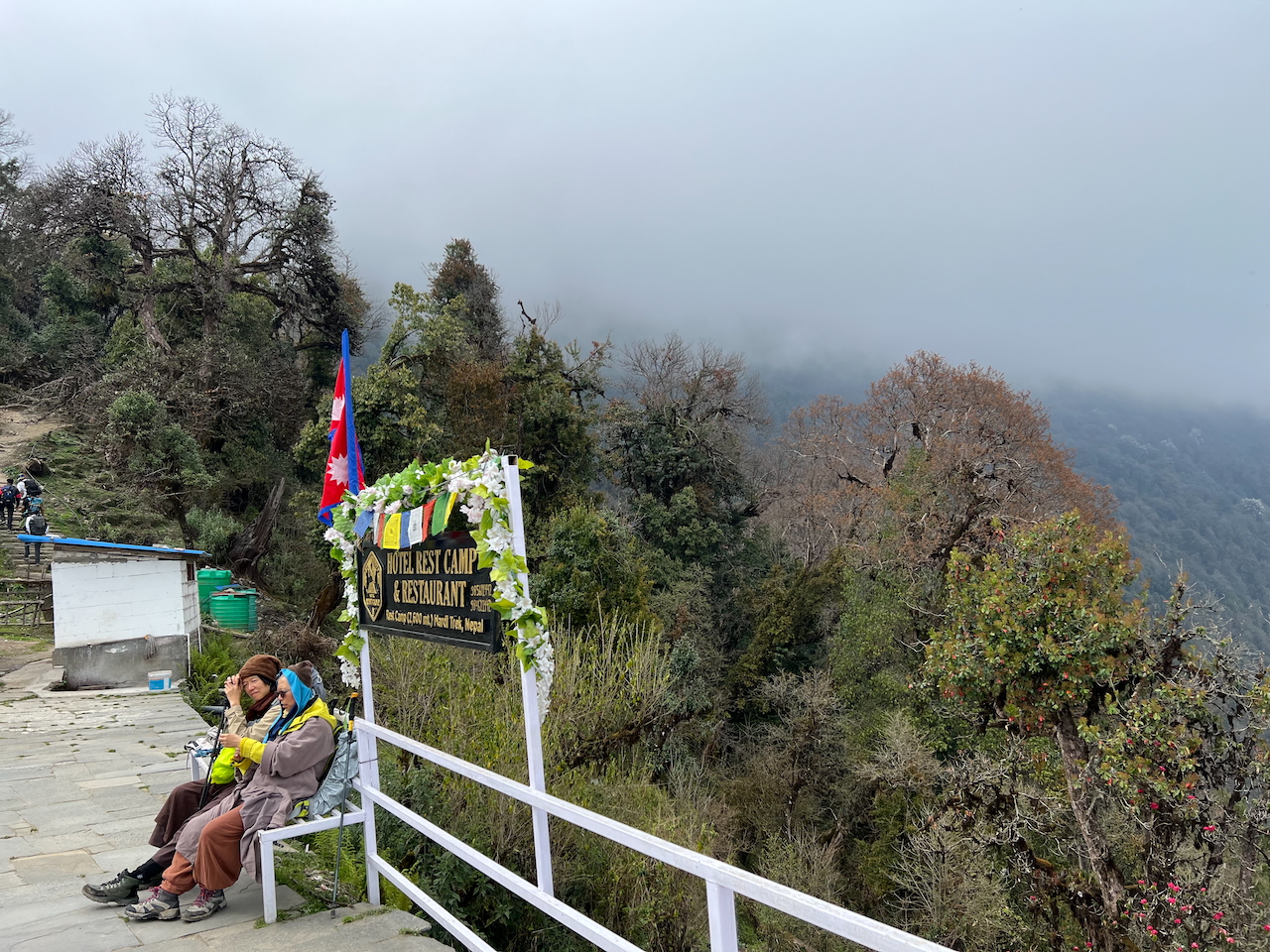
The weather was very unstable, and most days we faced rain, hail, and thunderstorms. Fortunately, we always reached the lodges in time. Unfortunately, in the night of April 4 to 5, around 1:00 a.m., it started snowing and hailing. I woke up because of the lightning (and pain in my knee). We were supposed to leave at 3:00 a.m. for the viewpoint at 4,200 meters, a two-hour ascent and a 1.5-hour descent. Normally not a problem, but due to the snow, the descent would have been difficult, even with crampons. Because of the bad weather and dangerous conditions (slippery trails and whiteout), I decided not to go. I didn’t trust my knee, and without any chance of a view, I didn’t think the risk was worth it. Still, a pity!
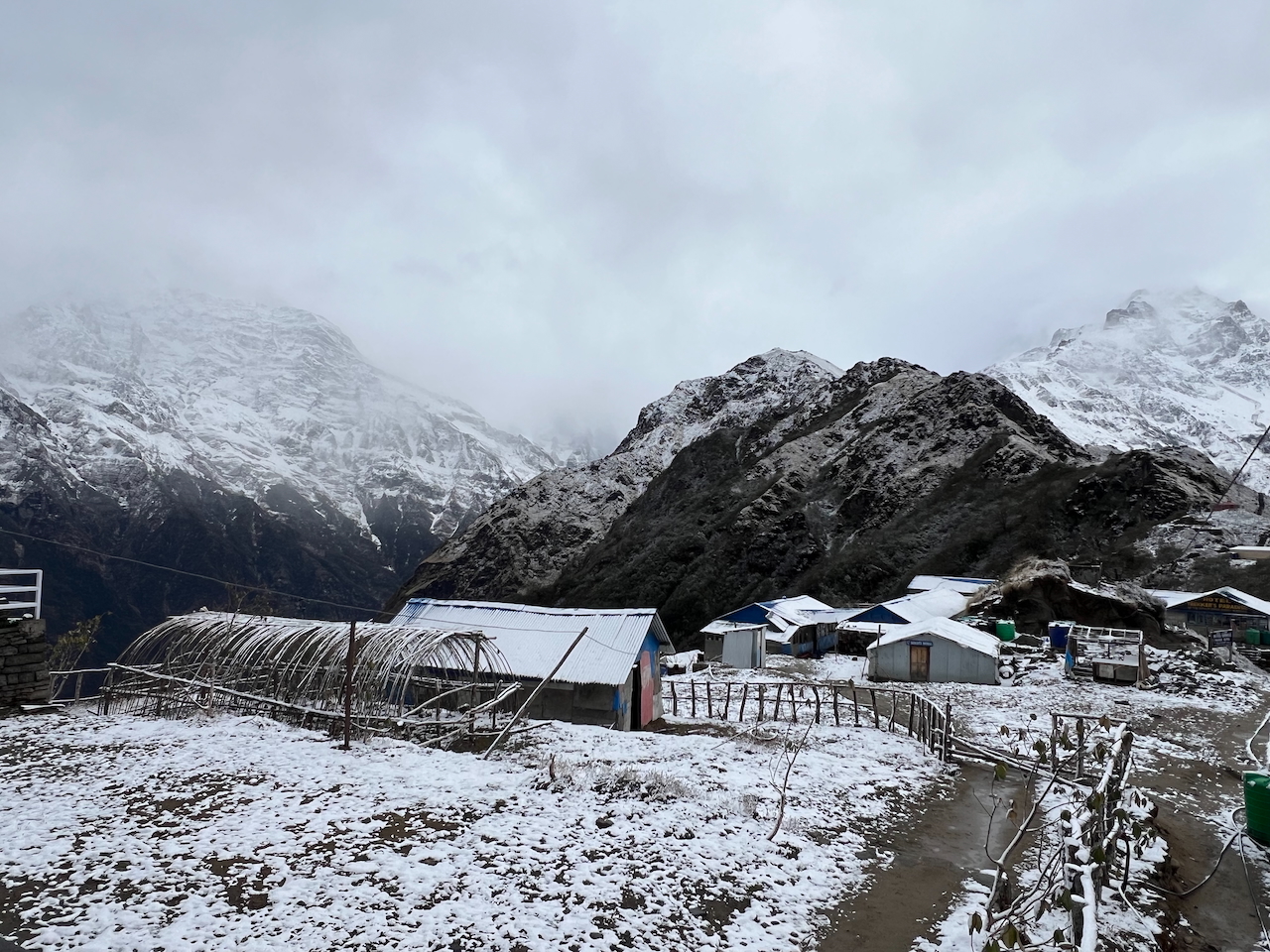
Two days later in Kalimati, we had a beautiful morning with clear views, but by then we were already down. The Dutch students we met on the way back were probably luckier, provided they reached High Camp safely. The weather turned bad early in the afternoon. At Low Camp, we already experienced heavy rain, hail, strong winds, and lightning, which was quite frightening. It must have been even worse higher up, where you’re completely exposed.
I also had a nice conversation with these dentistry students from Nijmegen. They had just completed two weeks of volunteer work as dentists. In connection with my story, they shared their experience with the cultural sector. Apparently, a teacher with a Rembrandt Pass had invited them to a four-Sunday program (at Teylers Museum, Intro Dans, Museum Jan Cunen, and with Hans Aarsman), aimed at learning to observe differently, postpone judgment, and explore multiple perspectives. It sounded very much like the Visible Thinking- and/or Visual Thinking Strategy-method. This method is also used in the USA, where medical professionals learn to “look again” at what they see, symptoms, body language, and so on, to delay diagnosis and avoid jumping to conclusions. It was a one-time initiative, but it clearly made a strong impression on the students, who spoke about it enthusiastically. It could be an interesting addition to the curriculum.
Impression of the trek:
Day 1: From Kande (1,770 m) to Deurali (2,100 m)
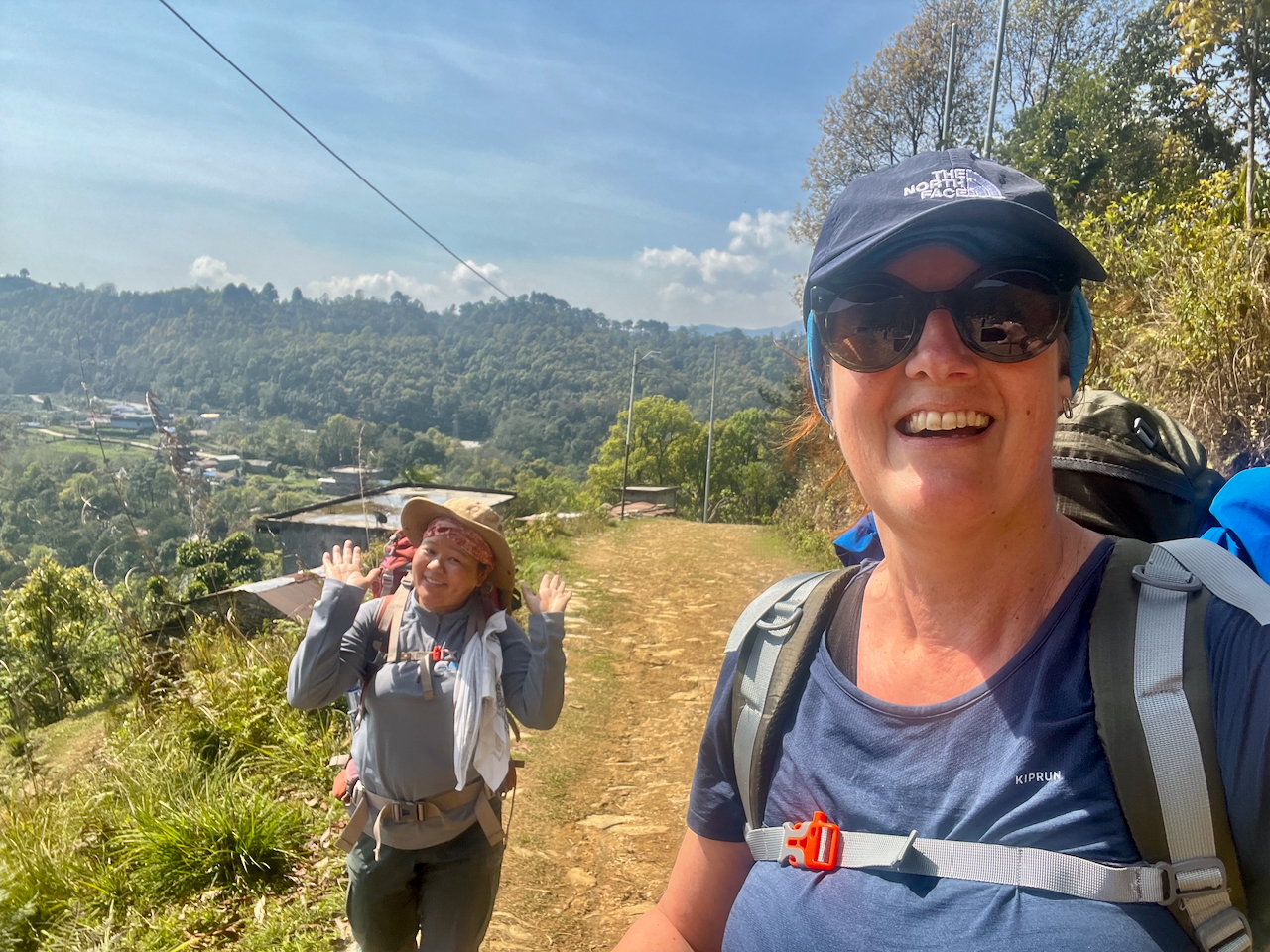
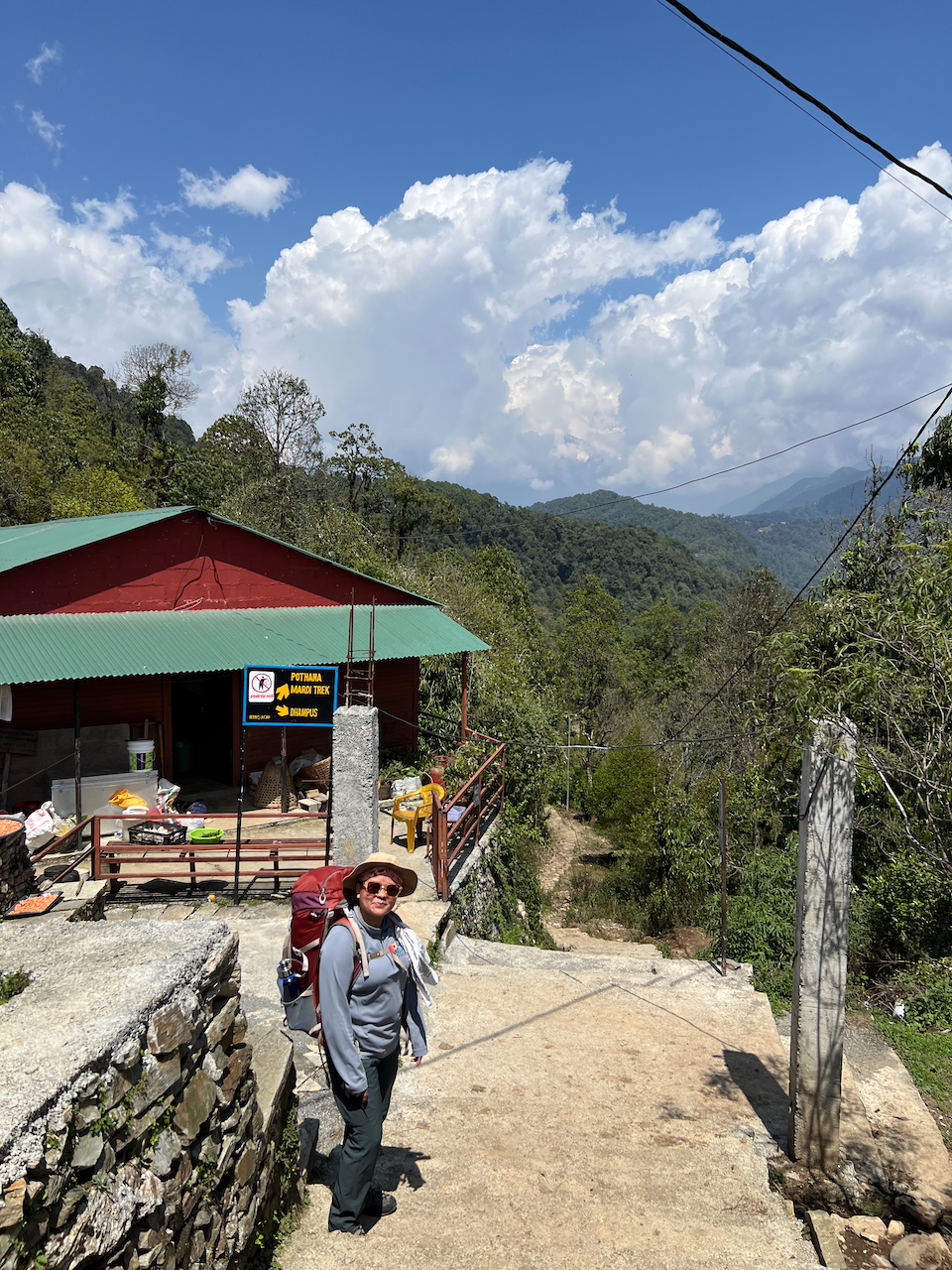
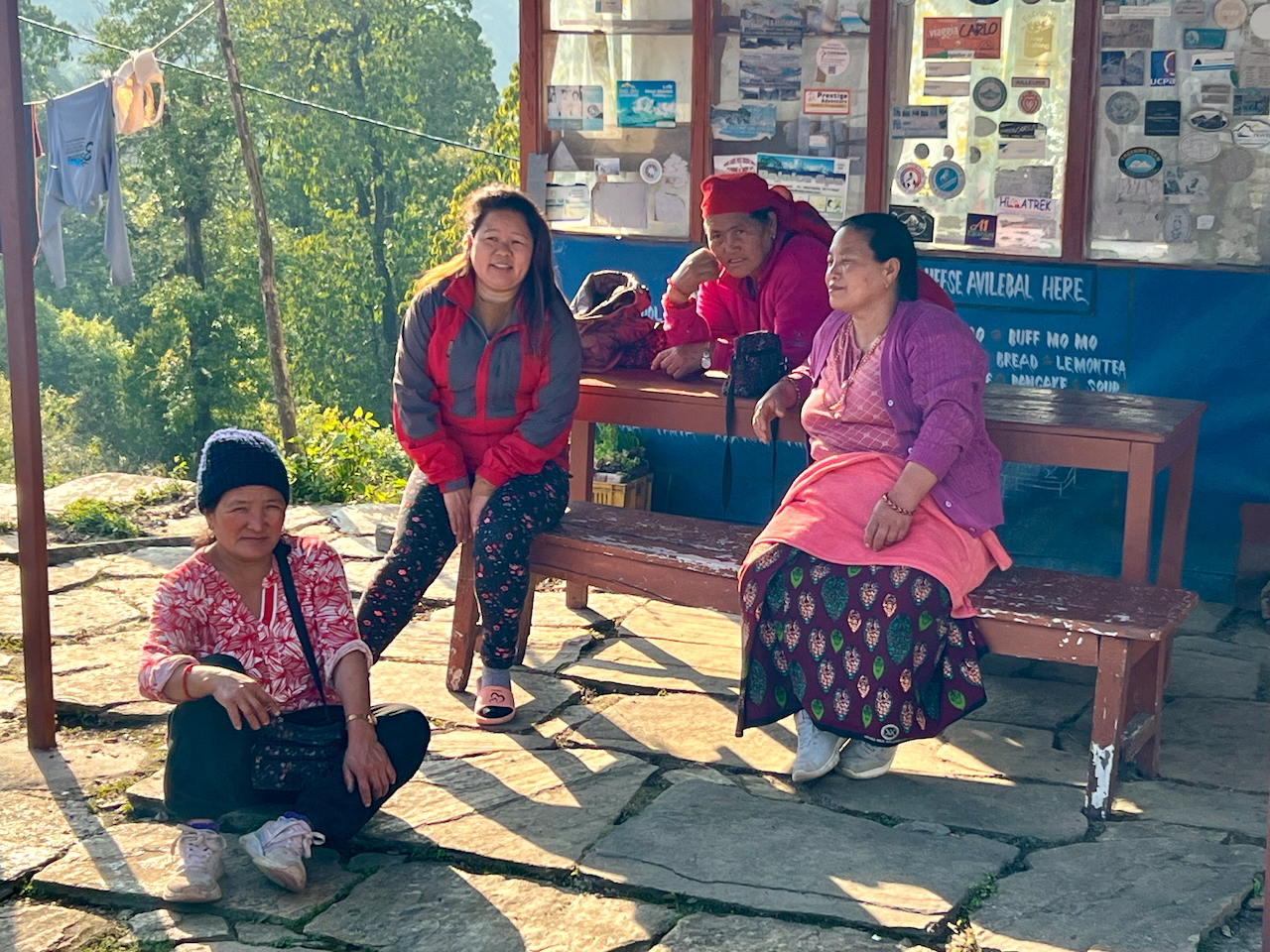
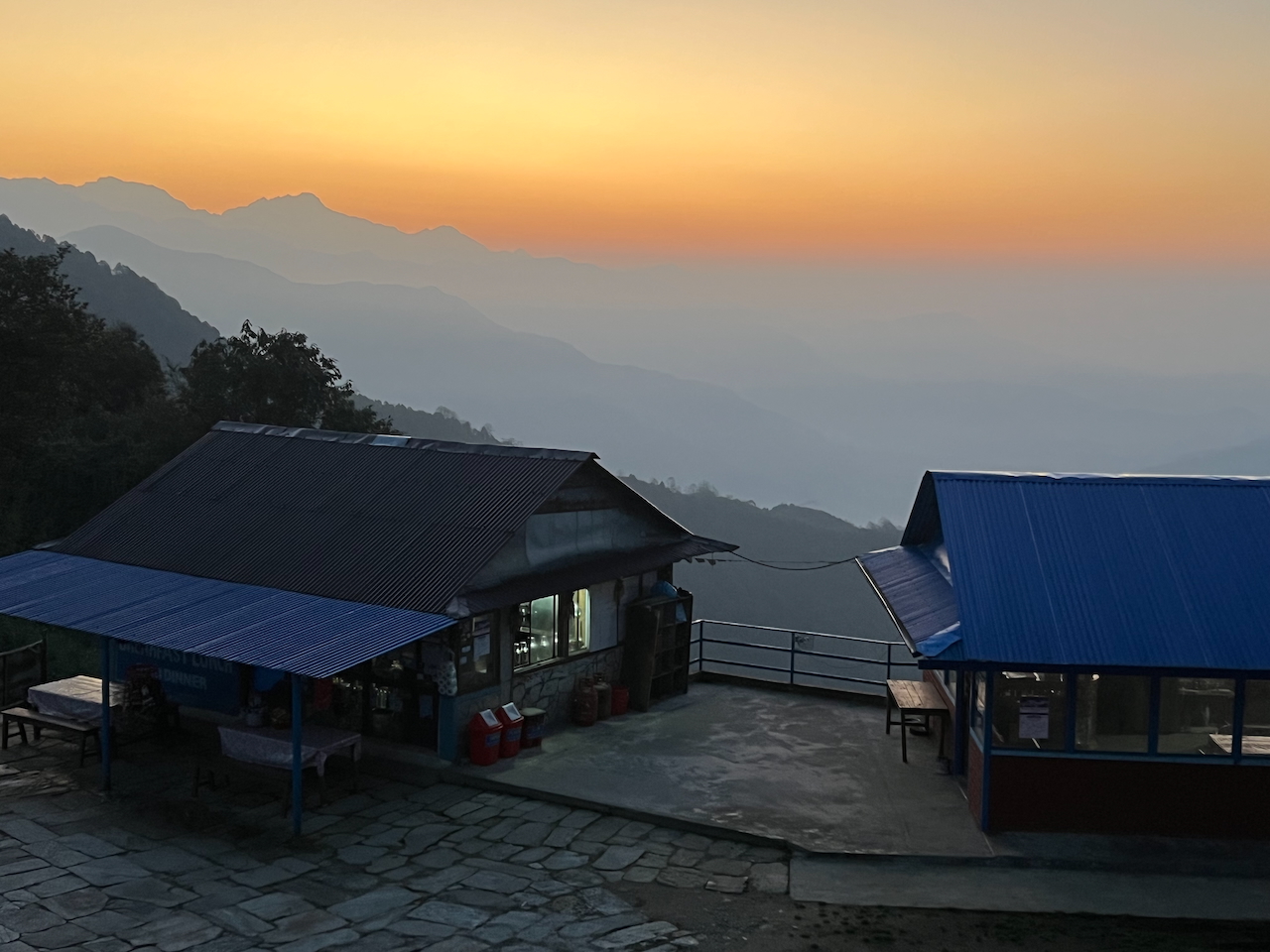
Day 2: From Deurali to Forest Camp (2,520 m)
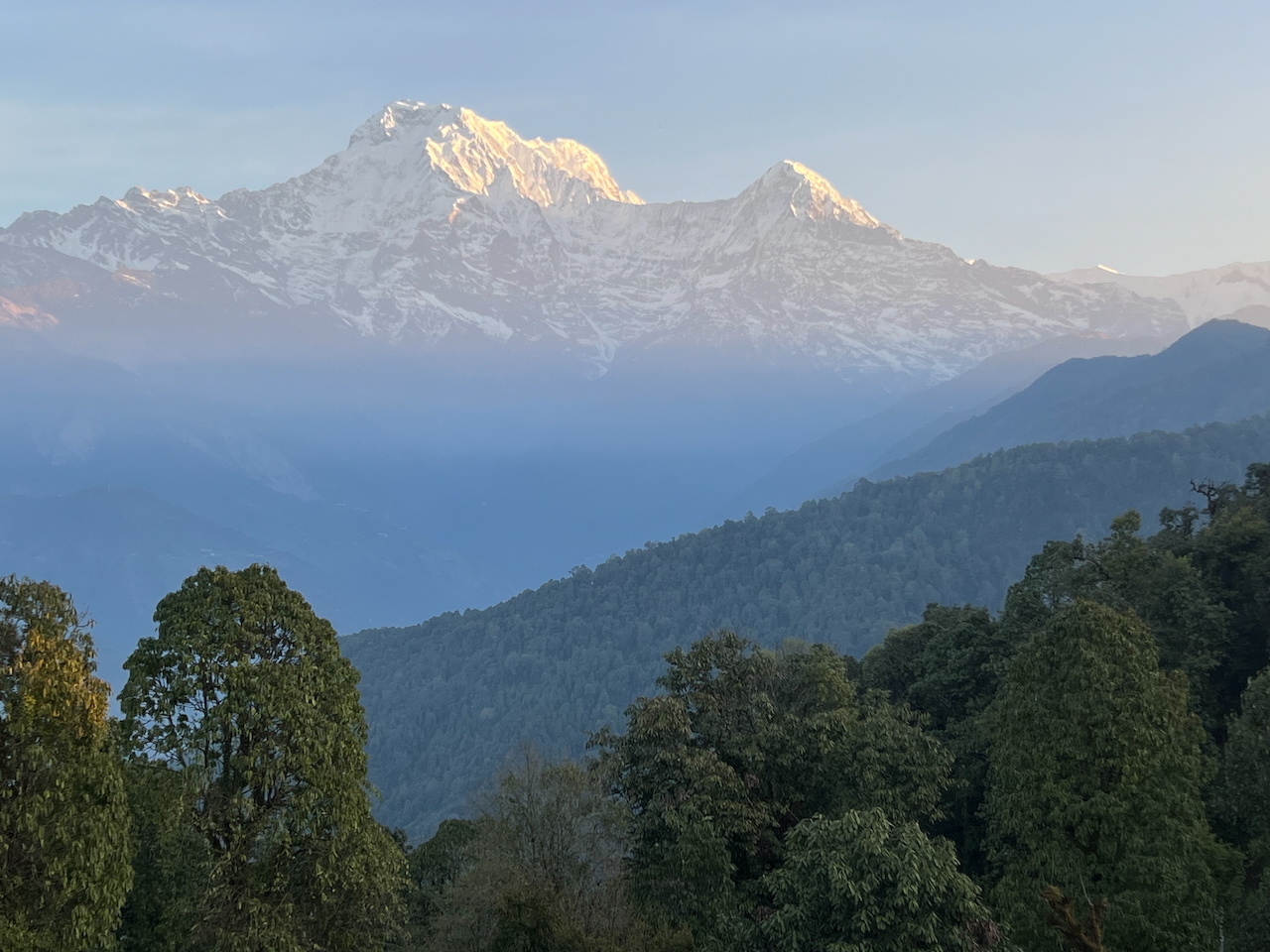
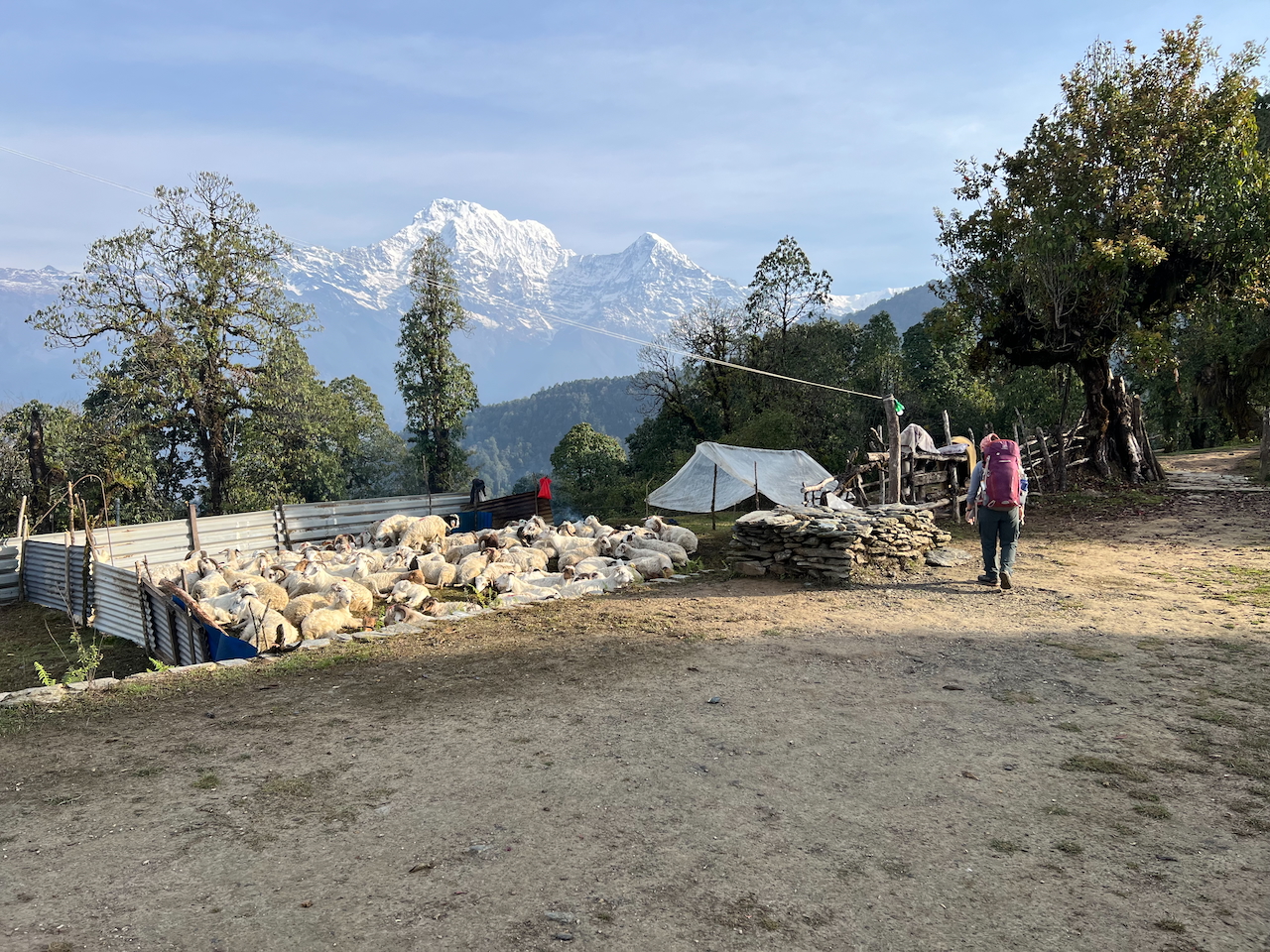
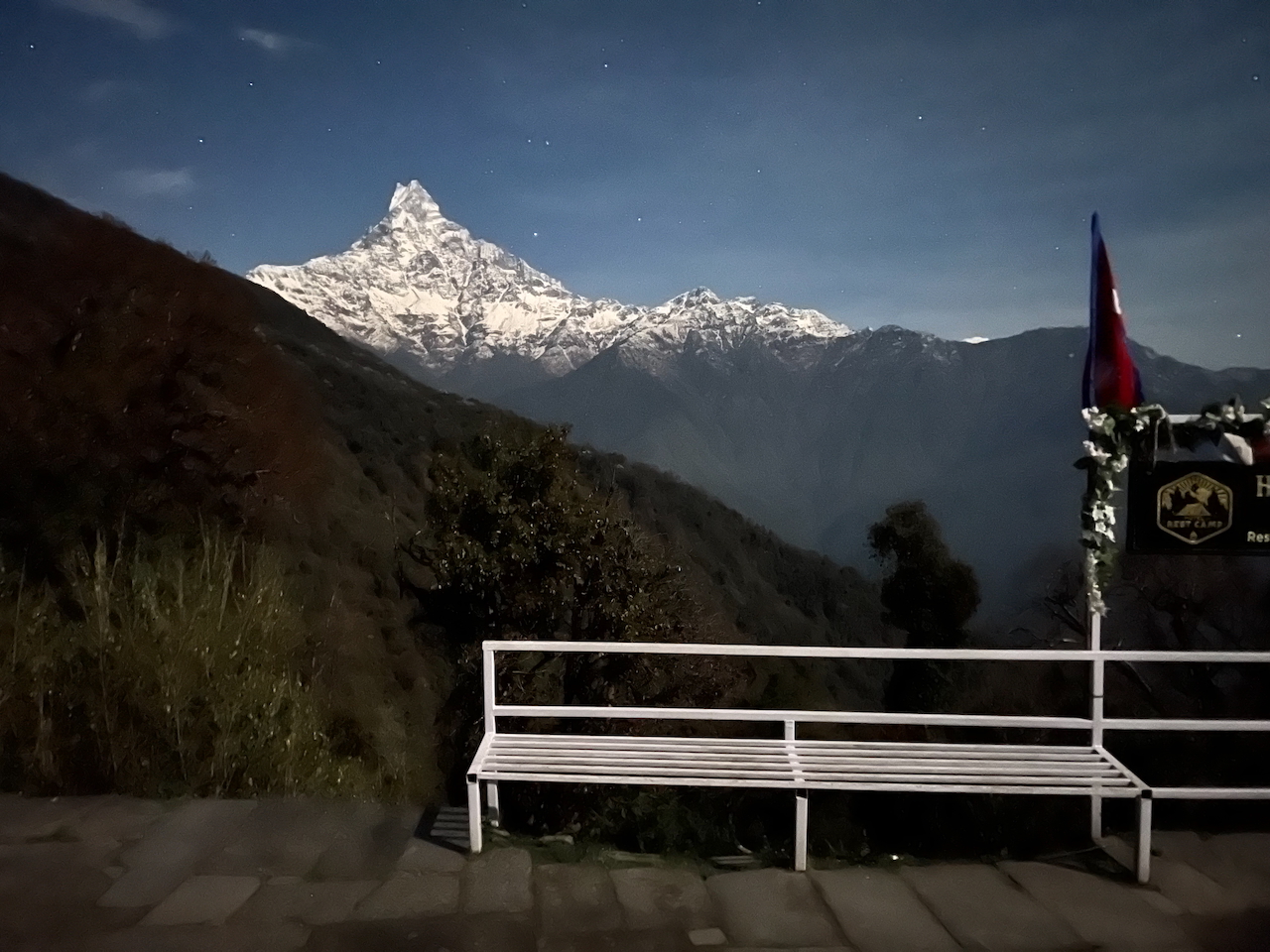
Day 3: From Forest Camp to High Camp (3,550 m)
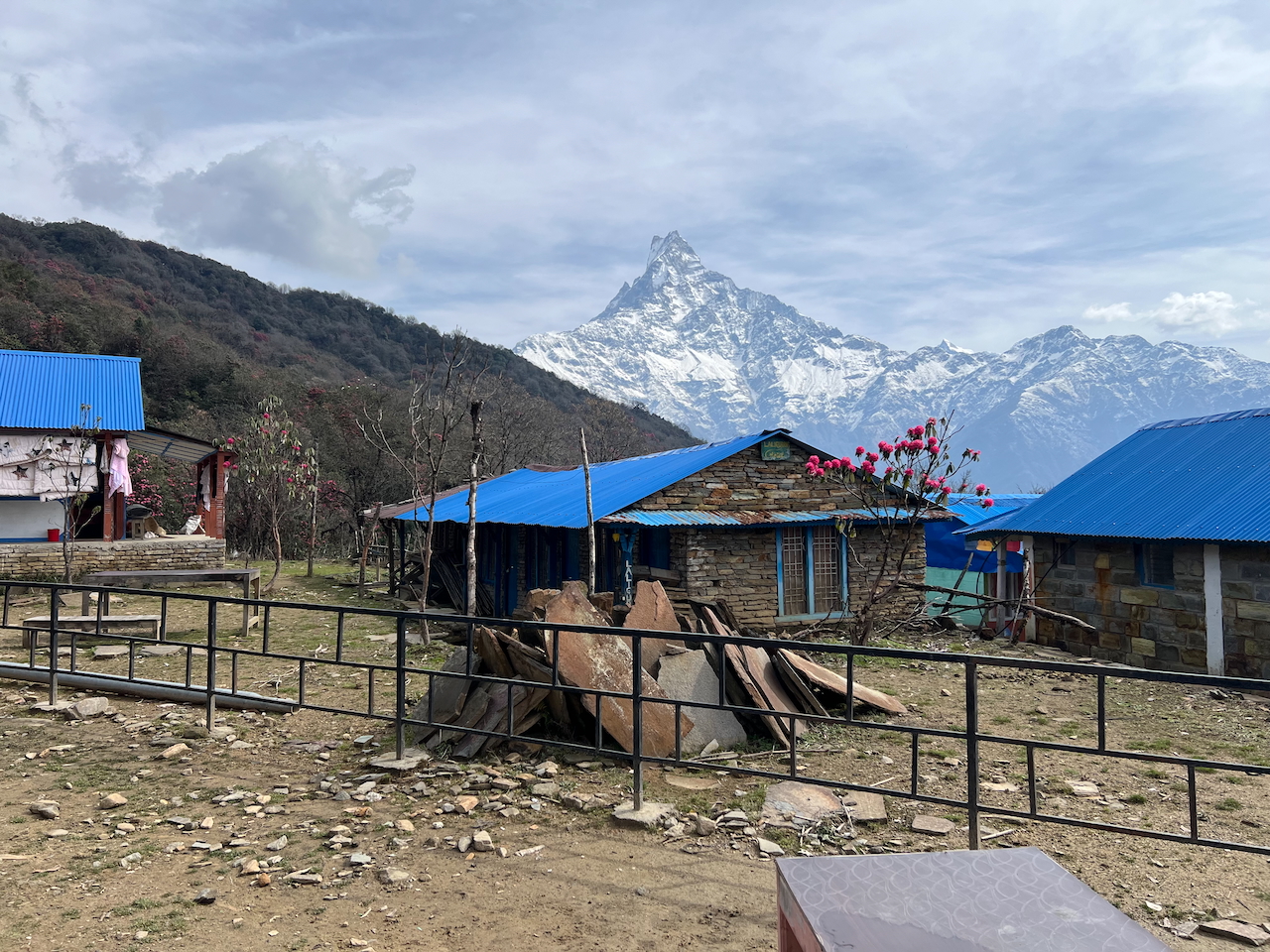
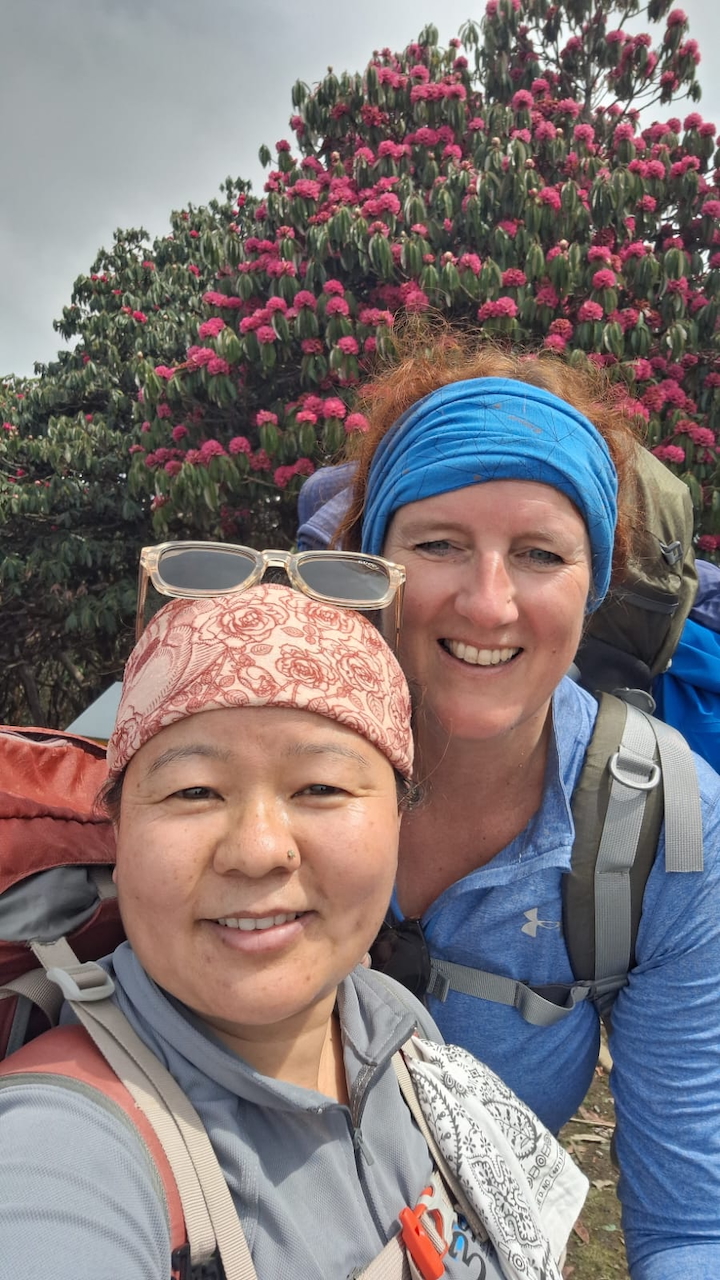
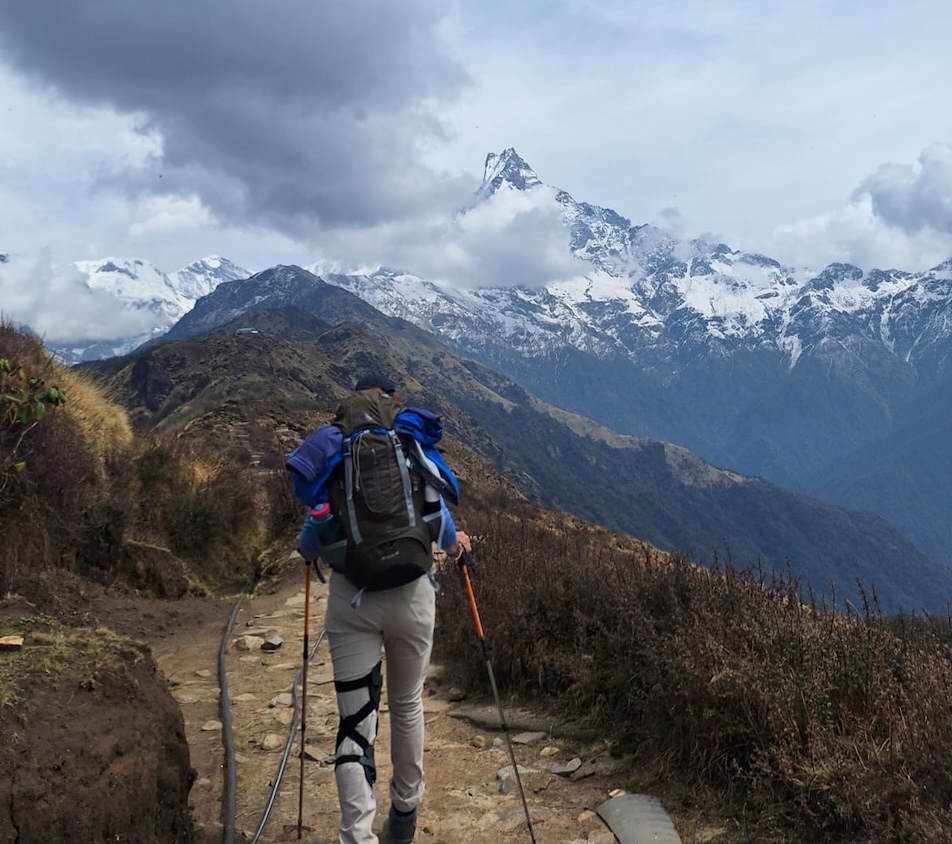
Day 4: From High Camp (unfortunately not to the 4,200 m viewpoint) back to Low Camp (3,050 m)
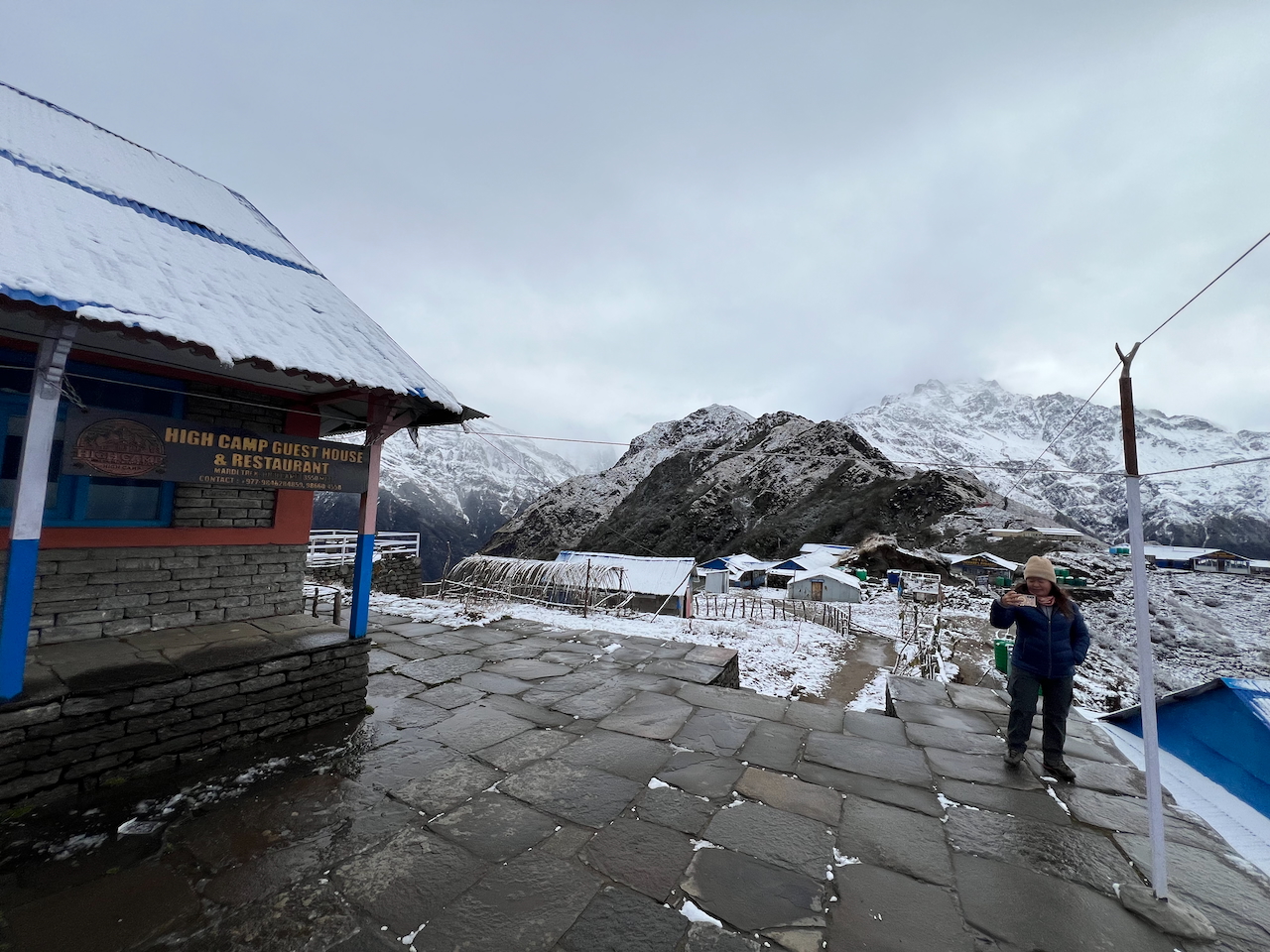
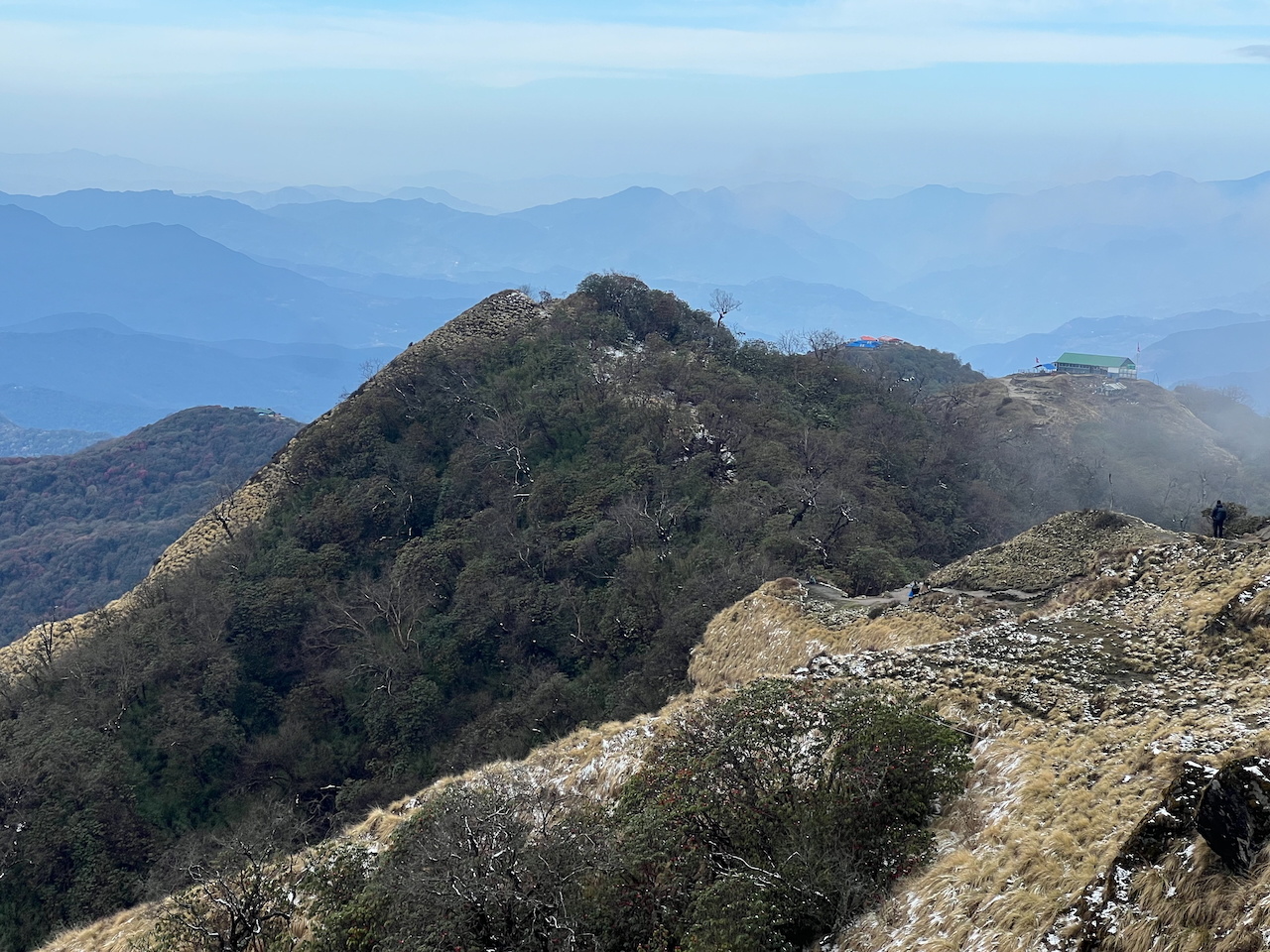
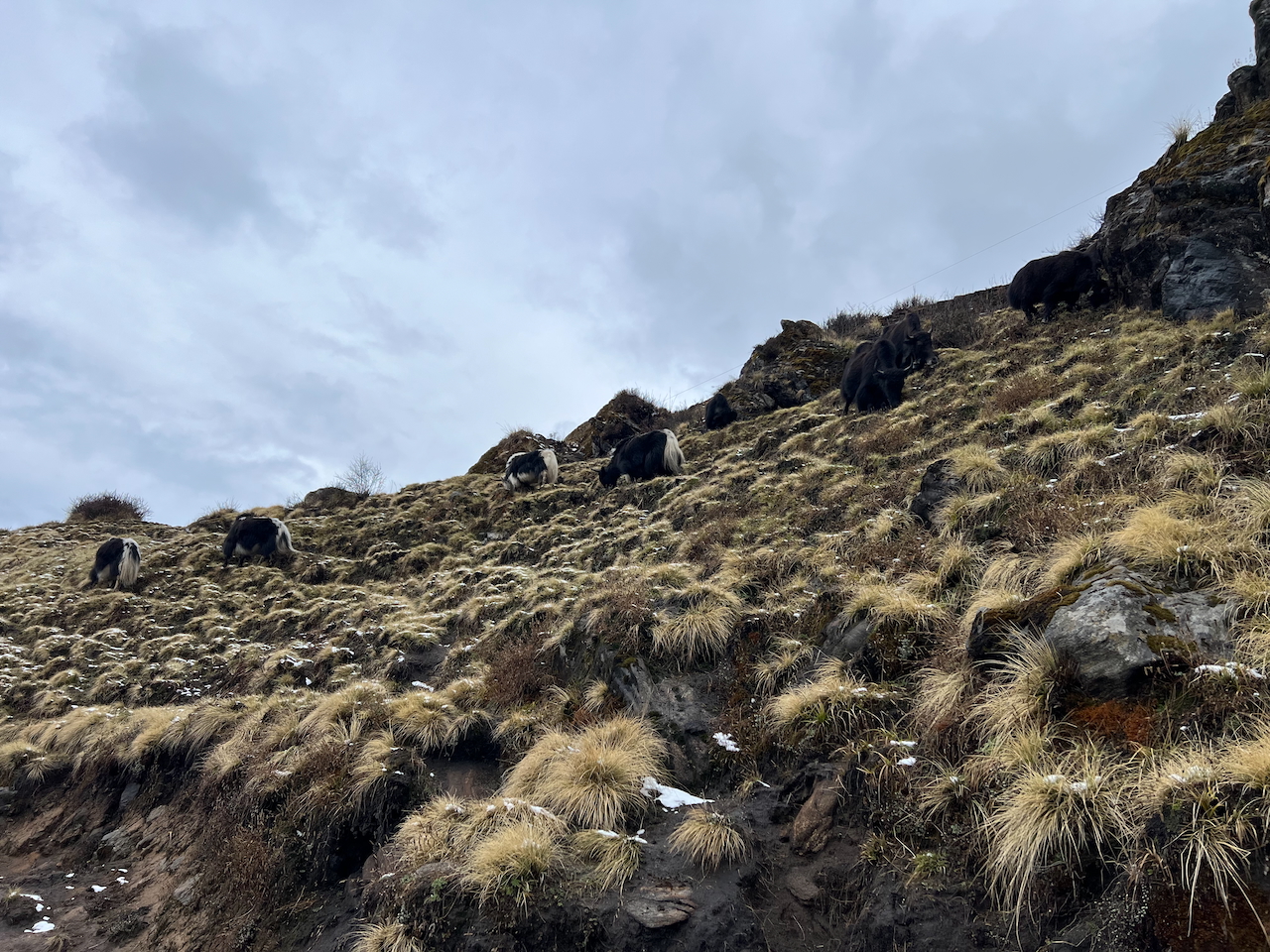
Day 5: From Low Camp to Kalimati (1,800 m)
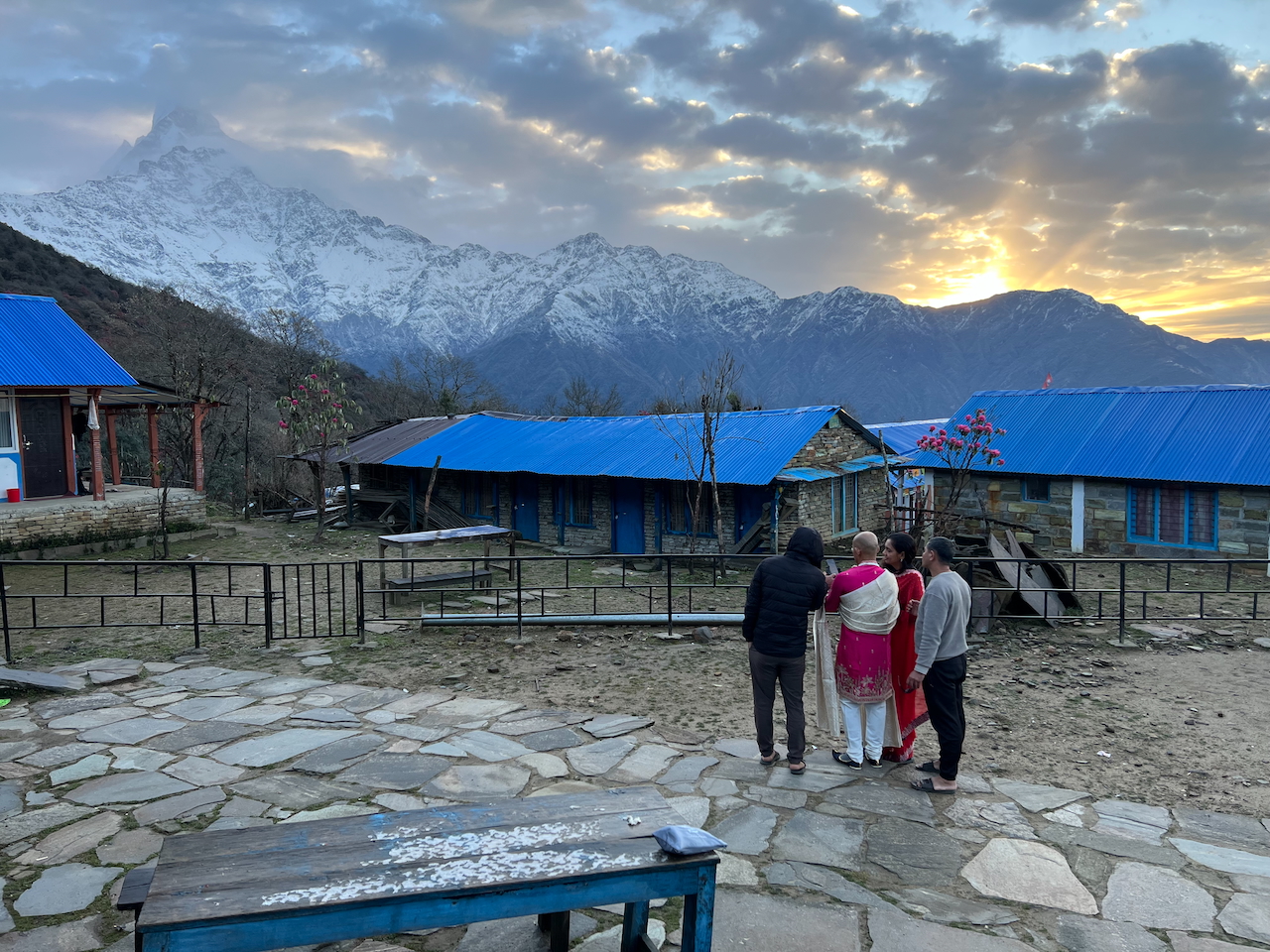

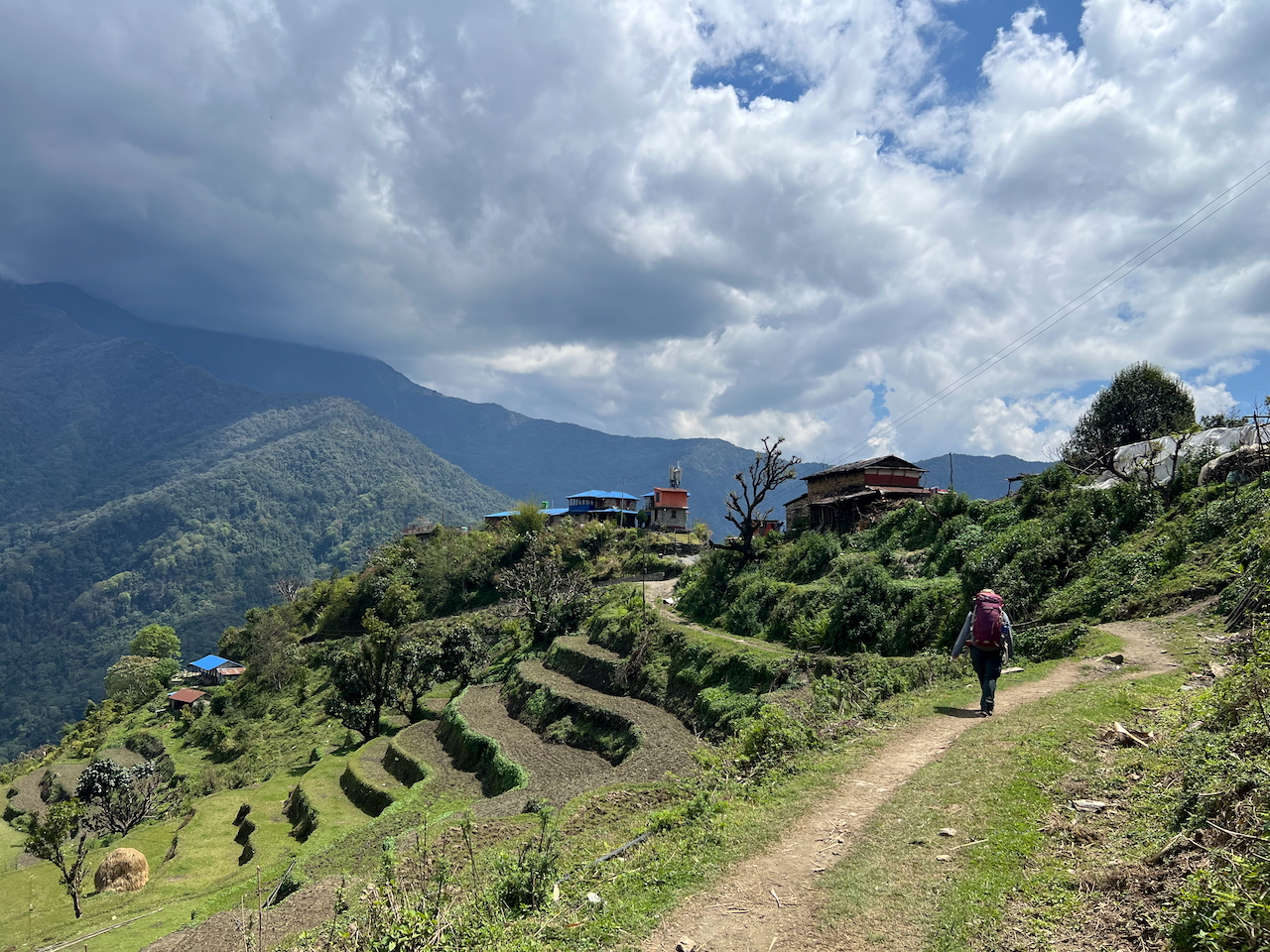
Day 6: From Kalimati to Ghalel (1,530 m), then by jeep to Pokhara